E ben, porque así semos,
Relox que repetimos
Eternamente o mesmo.
Rosalía de Castro, “Follas Novas”



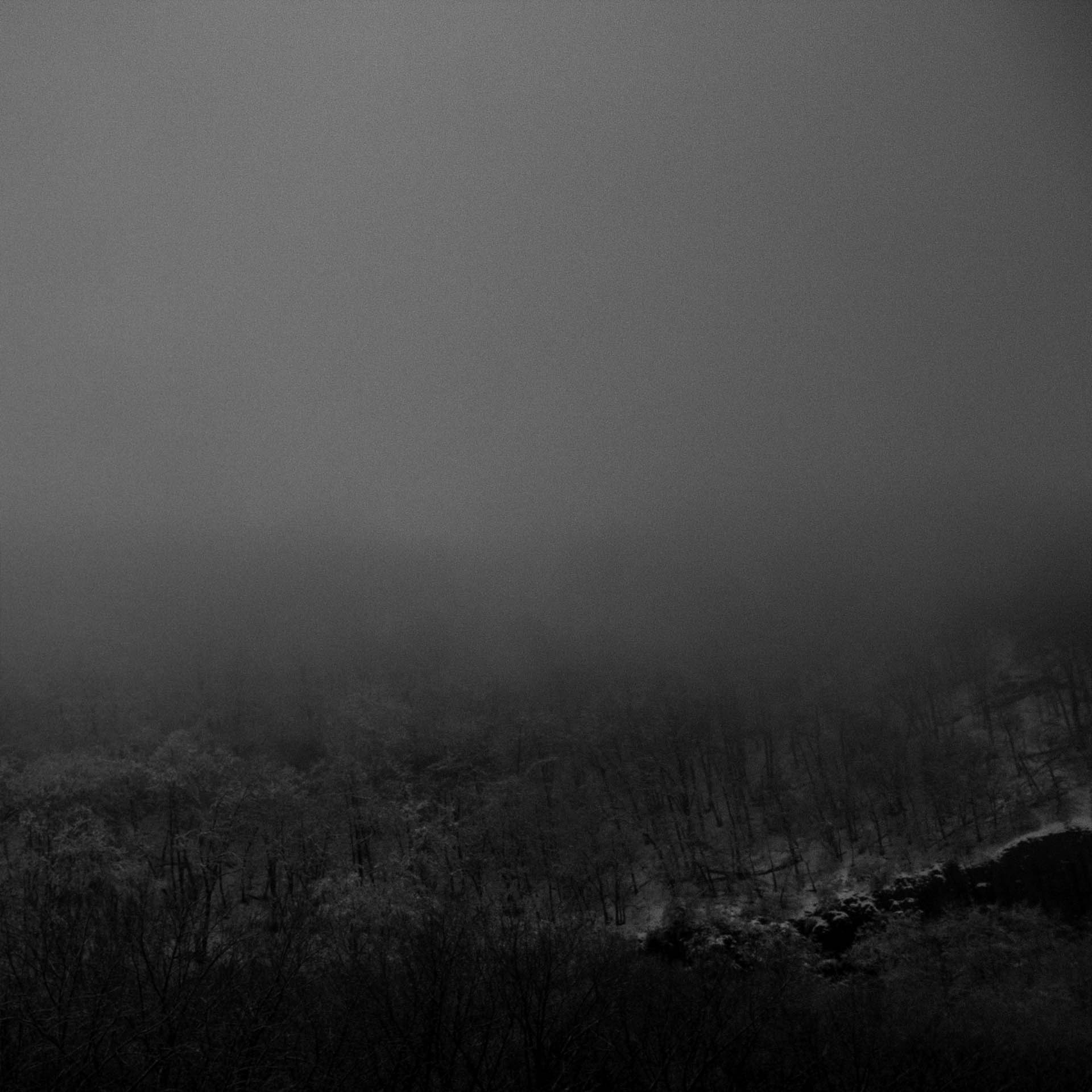
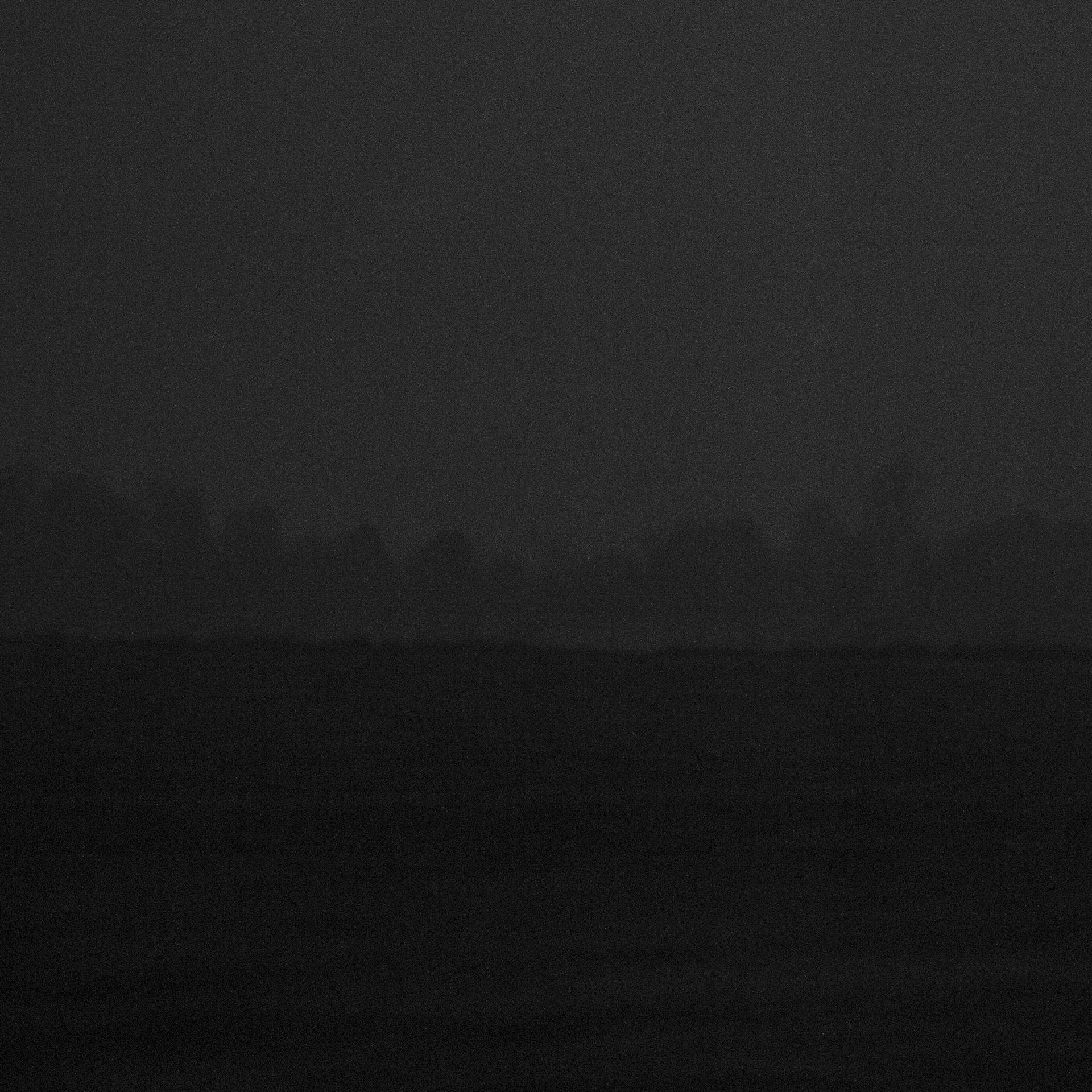
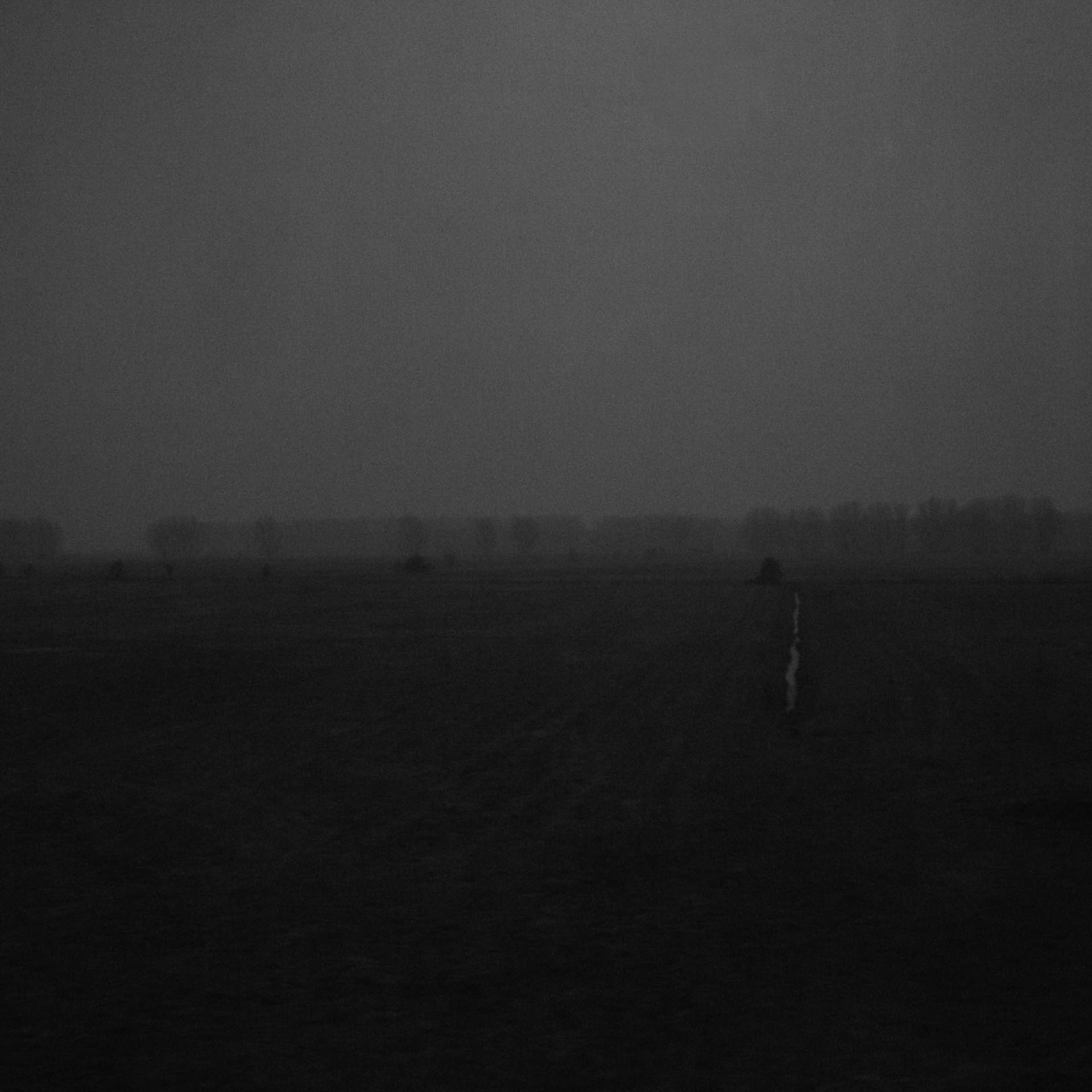
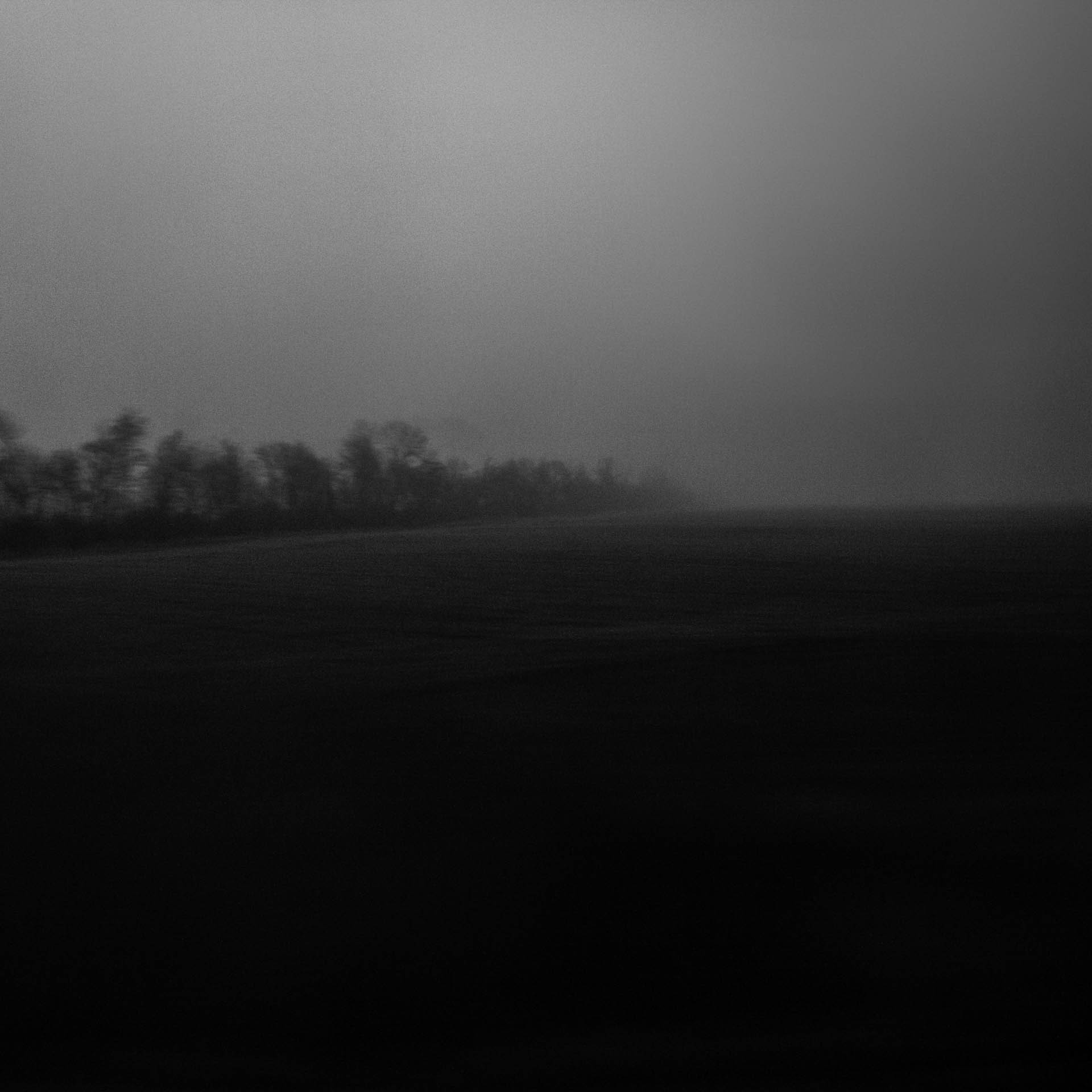
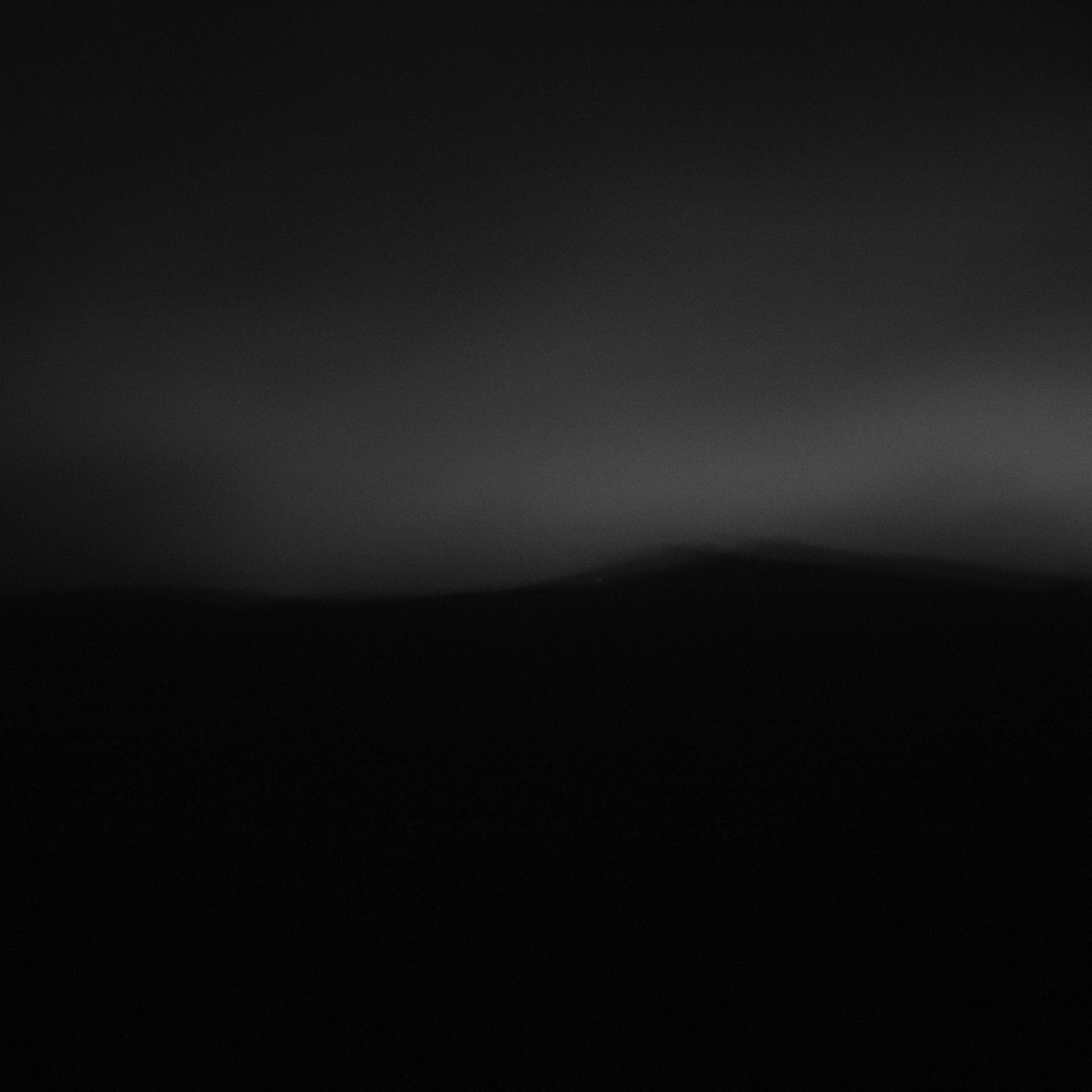
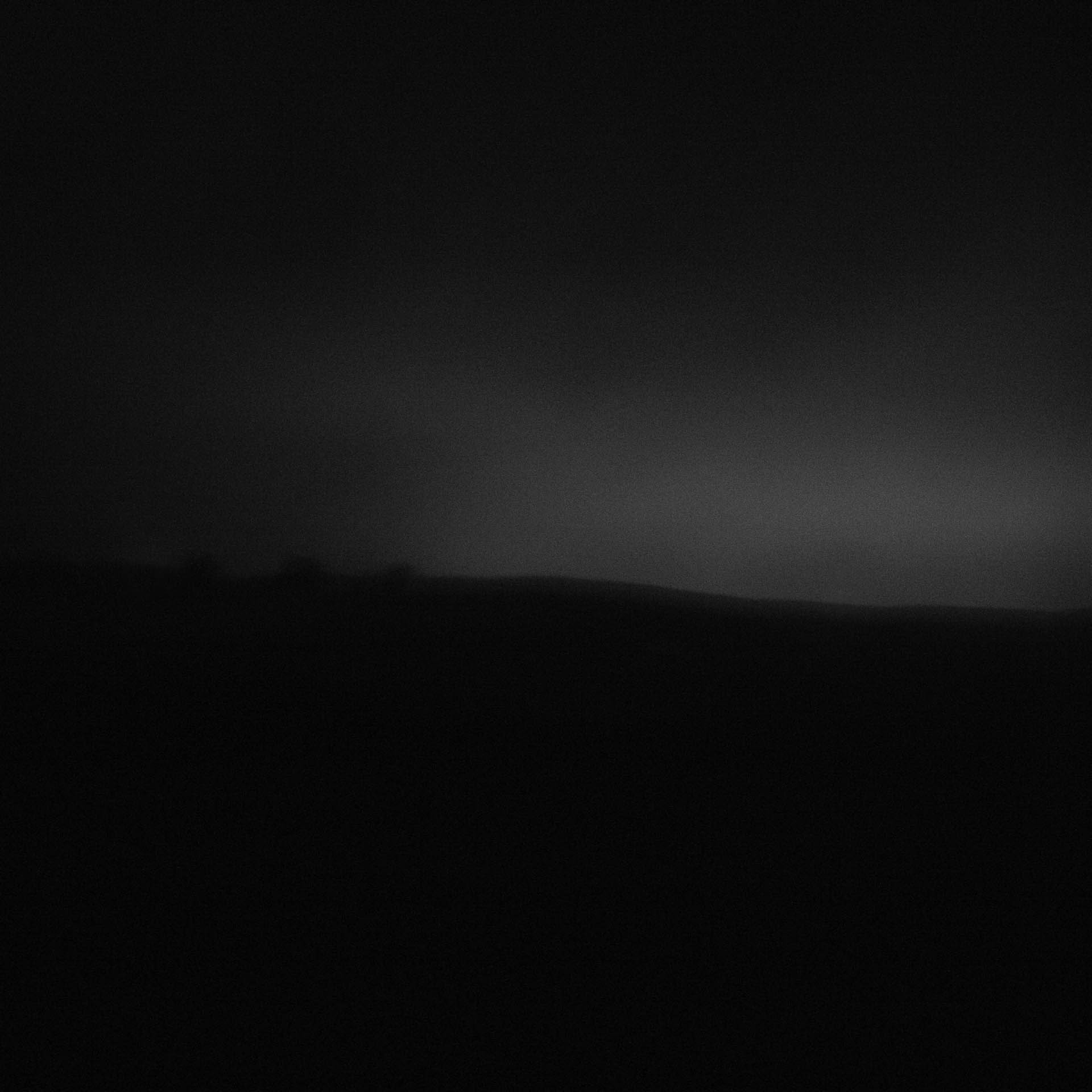
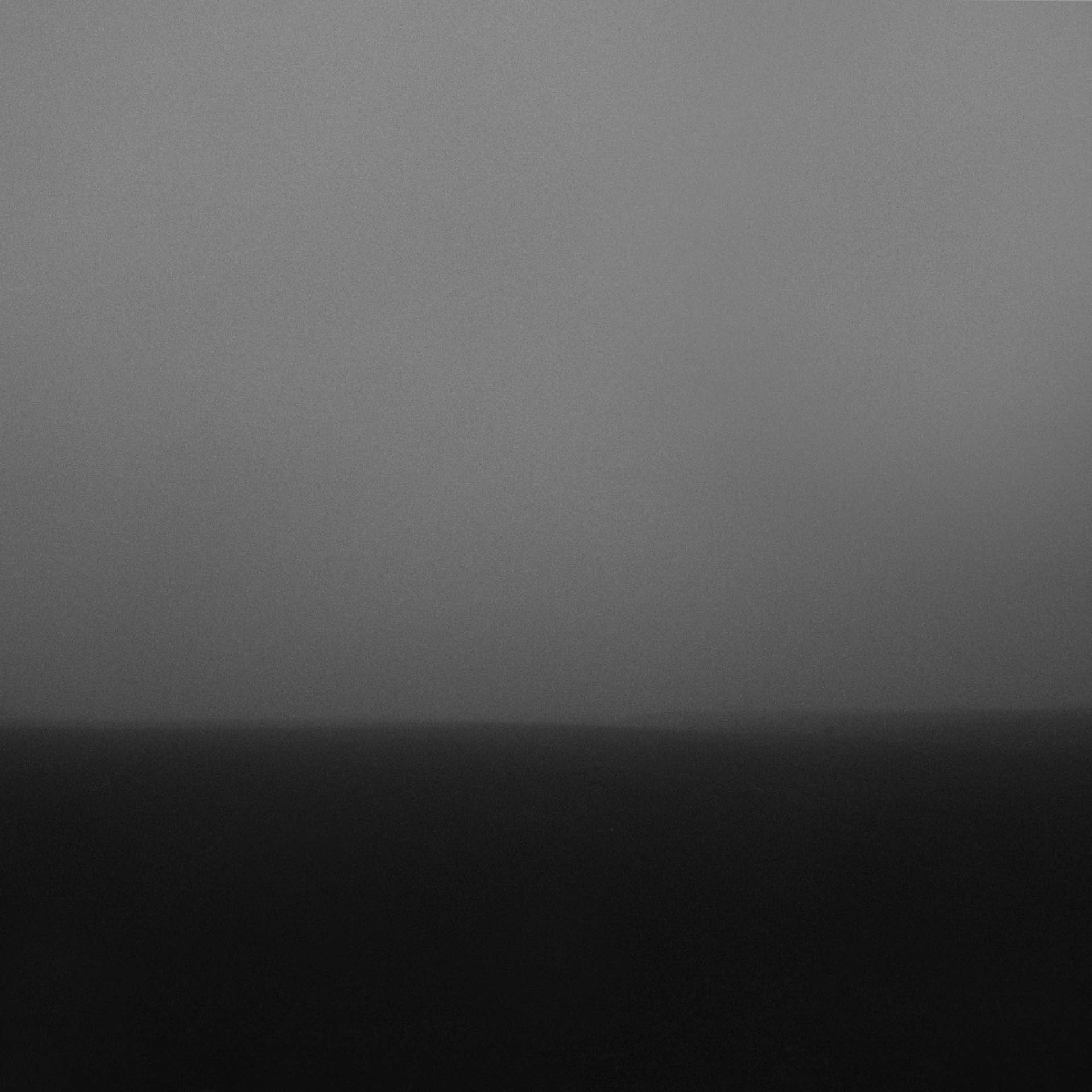
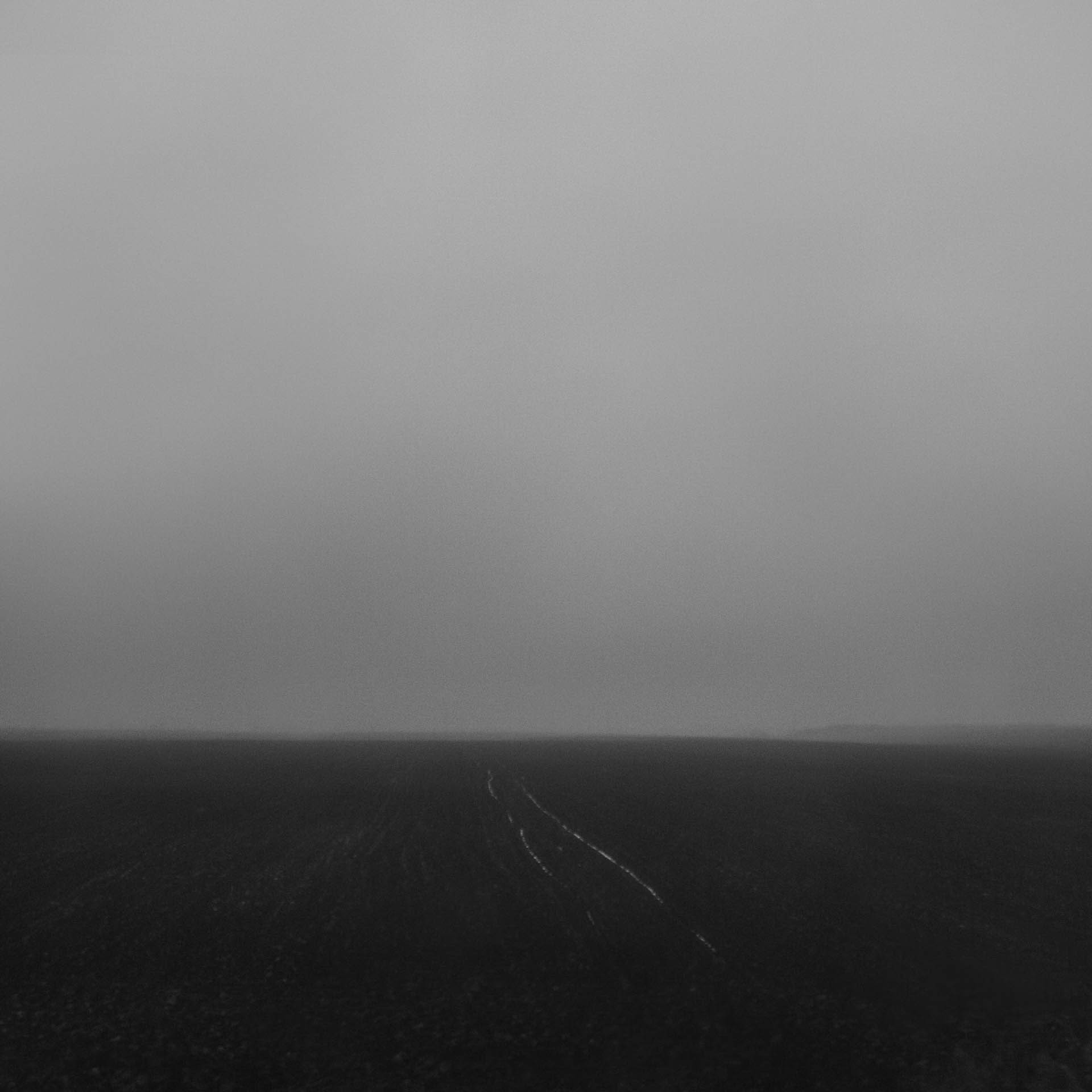
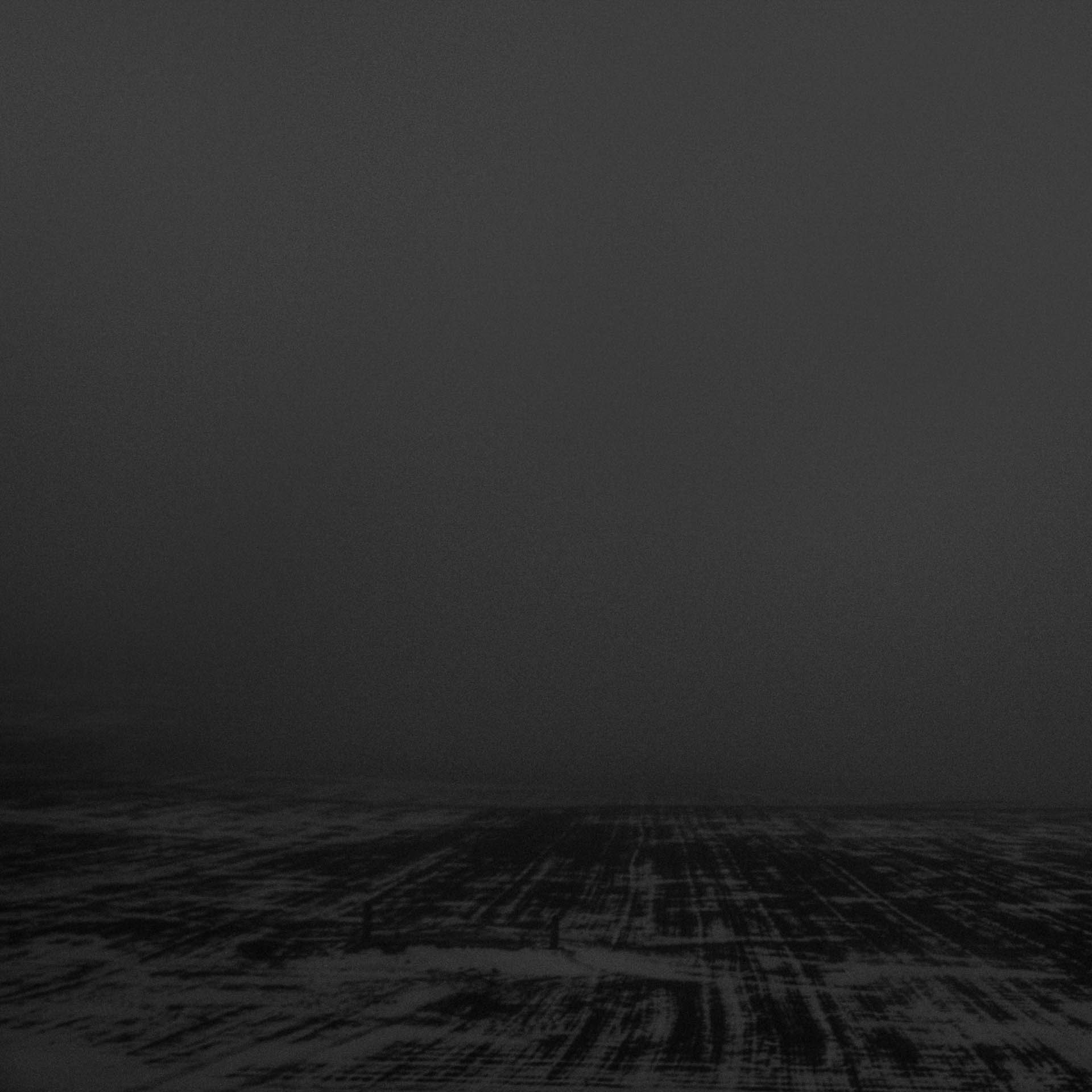


Las fotografías de esta serie muestran un camino hacia el misterio: la niebla es demasiado densa. Me sumerjo en ella  en un lapso espacio-temporal - el del viaje - que desorienta.


En nihil retrato espacios que transcurren por la ventanilla de un tren atravesando paisaje. En menos de un segundo, la luz también atraviesa el obturador dibujando un código binario en el sensor.
Me interesa el misterio de un acto que nos permite traspasar los límites de lo real, obteniendo un resultado aleatorio. Nihil gira en torno a dos ejes aparentemente antagónicos, la música como arte escénico fundamentalmente efímero y la fotografía como arte plástico que captura en un formato físico momentos del continuo espacio-tiempo. El trabajo se realiza de forma sintética, asimilando la conjunción o interferencia de varios tipos de sensaciones de diferentes sentidos en un mismo acto perceptivo.


Las imágenes nacen del cuarto movimiento (Sehr Langsam. Misterioso. Durchhaus ppp "el Mensch") de la Sinfonía n.° 3 en re menor de Gustav Mahler. Una obra que fue compuesta entre 1885 y 1886, durante los veranos que Mahler pasaba en Tolblach, al sur del Tirol austríaco. El cuarto movimiento, que en su momento se tituló "Lo que me Dice la Noche" es un arreglo para voz de contralto y orquesta utilizando el texto "das trunkene Lied", es decir, la canción del borracho, de "Así Habló Zaratustra" de Nietzsche. Mahler utiliza frases cortas con largas pausas entre ellas, generando así una sensación de aislamiento.

La estructura del movimiento comienza con acordes simples: es la voz de la mezzosoprano hablando a la humanidad. Sonidos profundos que evocan la inmovilidad en medio de la noche. Fotografío la sensación de parálisis del tiempo. Su aturdido agotamiento. Una luz irreal generada por armonías estáticas.

Finalmente, orquesta y solista cantan a la eternidad. Las imágenes abordan ese vínculo trágico entre el final y la desesperanza. A ese momento en que dejamos de estar, de ser. Pero el gozo de la existencia viene a superar el drama de la muerte.

Fotográficamente busco la alegoría nietzscheana en la que a través del sufrimiento logramos vislumbrar la eternidad. Me sumerjo en la idea de una belleza que produce dolor. Una búsqueda que se relaciona con el musical que Bernstein definió como "la música más dolorosamente bella jamás escrita".
EN
The photographs in this series show a path towards mystery: the fog is too dense. I immerse myself in it in a space-time lapse - that of the journey - that disorients.


In nihil I portray spaces that pass through the window of a train crossing the landscape. In less than a second, the light also passes through the shutter, drawing a binary code on the sensor.
I am interested in the mystery of an act that allows us to go beyond the limits of reality, obtaining a random result. Nihil revolves around two apparently antagonistic axes, music as a fundamentally ephemeral performing art and photography as a plastic art that captures in a physical format moments of the space-time continuum. The work is carried out synthetically, assimilating the conjunction or interference of various types of sensations from different senses in the same perceptive act.


The images are taken from the fourth movement (Sehr Langsam. Mysterioso. Durchhaus ppp "the Mensch") of Gustav Mahler's Symphony No. 3 in D minor. A work that was composed between 1885 and 1886, during the summers Mahler spent in Tolblach, in the southern Austrian Tyrol. The fourth movement, which at the time was titled "What the Night Tells Me" is an arrangement for alto voice and orchestra using the text "das trunkene Lied", i.e. the drunken man's song, from Nietzsche's "Thus Spoke Zarathustra". Mahler uses short phrases with long pauses between them, thus generating a sense of isolation.

The structure of the movement begins with simple chords: it is the voice of the mezzo-soprano speaking to humanity. Deep sounds that evoke immobility in the middle of the night. I photograph the feeling of paralysis of time. Its dazed exhaustion. An unreal light generated by static harmonies.

Finally, orchestra and soloist sing to eternity. The images address that tragic link between the end and despair. To that moment when we cease to be, to be. But the joy of existence comes to overcome the drama of death.

Photographically I look for the Nietzschean allegory in which through suffering we get a glimpse of eternity. I immerse myself in the idea of a beauty that produces pain. A search that relates to the musical that Bernstein defined as "the most painfully beautiful music ever written".
 miguelauria.com